Blog
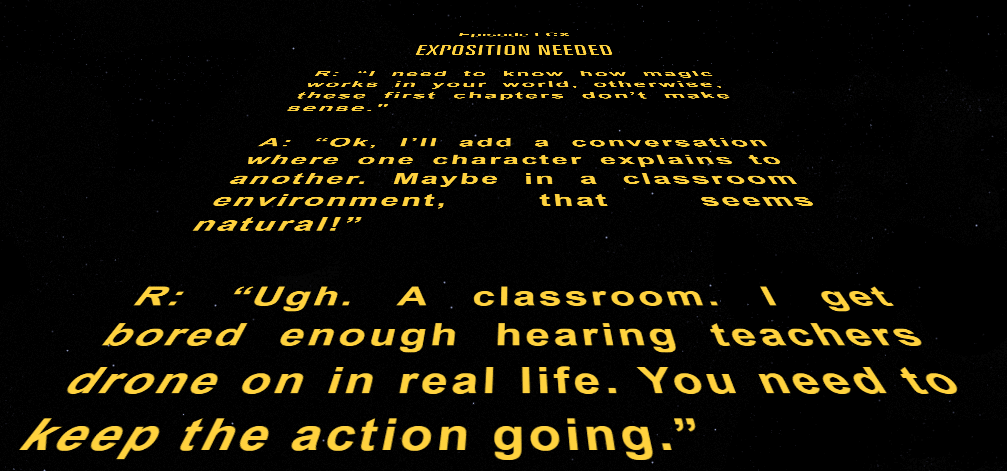
Exposition. It’s a pain.
I write historical fiction and I try to weave information in via dialogue. However, sometimes passing necessary information via dialogue is either tedious or ridiculous or both. For example, two people born and raised in the 12th century wouldn't have a conversation about what a tally stick is, they'd just know. That’s like two adults in the 21st century having a discussion about what a credit card is.
“So what’s that bit of...
A friend’s comment on an early draft of Guild of Salt read:
“I think ‘picnic’ is an anachronism. They didn’t use that word in the 12th century, I’m pretty sure.”
My response:
“Well, if I was trying to be that accurate with my language, shouldn’t I have written the whole book in 12th century Anglo-Norman French?”
I don’t like anachronisms any more than the next guy: they throw you out of the story, turning the author’s world-building to ash, yet, to make the...
Recently, I was asked why I thought history was vital to my story. An interesting question, so I thought I might write a line or two about it. I don't know if history is *vital* to any story, but I do believe it's vital that people engage with history. I imagine the intent behind the question was to get at why I would risk putting modern readers off by placing my story in the past. After all, who cares about the past? Why would a modern reader give a fig...
TL,DR: I didn’t like the show for what I would call storytelling or narrative issues. If you’re looking for some racist screed about the colour of the actors, you’re not going to find it here, best move on.
Spoilers Follow
I thought I had novels figured out when I was young. Stolid tombs assigned by my teachers sketching stories of people wrestling with some societal ill. A theme or moral was the heart, and the characters — meant to be someone easy to...
Cookie Consent
This website uses essential cookies to ensure that it works properly.
I would also like to use analytics cookies to understand how you interact with the site.
Join my mailing list
Get exclusive content and updates about my upcoming books.